
-
Affiliates
How We Make Tooth Brushing Fun For Our Resistant Child
Getting our child to brush their teeth used to feel like a twice-daily negotiation. The toothbrush would appear, the head would turn, and suddenly everyone had somewhere else to be. A simple hygiene habit became a small family drama before school and again at bedtime.
I learned that resistance was not always about being stubborn. Sometimes the toothpaste felt too strong, the brush tickled, or the whole routine seemed like an interruption to play. Giving more instructions rarely helped. Making the experience feel playful, predictable and partly under their control worked much better.
Our approach is practical rather than perfect. There are rushed mornings, tired evenings and occasions when an adult has to finish the job. The aim is to build a positive association with brushing while still cleaning thoroughly and visiting the dentist regularly.
For Australian families, the routine also has to fit real life: packed school mornings in Brisbane, chilly winter nights in Melbourne, sandy weekends by the coast and supermarket shelves filled with children’s oral-care products. These small adjustments have made dental hygiene much less stressful in our home.
| Approach | Why It Helps | What We Do |
|---|---|---|
| Letting the child choose | Creates a sense of control | Offer two suitable toothbrushes or toothpaste flavours |
| Using music or a timer | Makes brushing feel shorter | Play a two-minute song or use a visual timer |
| Brushing together | Turns it into family time | Brush side by side and copy each other |
| Adding pretend play | Makes the task less intimidating | Let a toy “brush” first |
| Keeping the routine consistent | Reduces arguments | Brush after breakfast and before bed |
Letting Them Make Small Choices
A resistant child may cooperate more readily when they have some control over the process. I do not let our child decide whether brushing happens, but I do offer choices within the routine. They can choose the blue toothbrush or the green one, stand on the step stool or sit on the bathroom mat, and pick whether we sing or use the timer.
The choices need to be limited. Asking, “Which toothbrush would you like?” works better than opening an entire bathroom cupboard and creating another decision to manage. We also check that any toothpaste is suitable for the child’s age and use the amount recommended by Australian dental professionals.
Toothpaste flavour can be a surprisingly important detail. Strong mint may be unpleasant for young children, so a mild option can make the first few seconds easier. We buy children’s oral-care products from supermarkets and pharmacies such as Chemist Warehouse, while remembering that appealing packaging is not a substitute for suitable fluoride toothpaste.
Turning Brushing Into A Game
Games give the routine a story, which can be more motivating than repeated reminders about cavities. We pretend that tiny “sugar bugs” are hiding on the teeth and the toothbrush is a superhero sweeping them away. Sometimes the child brushes a toy’s teeth first, then agrees that it is their turn.
We also take turns being the dentist. I open my mouth dramatically while our child counts my teeth, then I count theirs. This has helped normalise looking inside the mouth and made dental appointments feel less unfamiliar. I keep the game light and avoid suggesting that dentists are there to punish anyone.
Music has been especially useful when the child complains that brushing takes too long. We choose a short favourite song, or use a two-minute timer with a visual countdown. When we are staying in a hotel in Sydney or visiting relatives, the song travels with us even when the usual bathroom routine does not.
Brushing Together As A Family
Children copy what they see, so brushing together has been more effective than sending our child into the bathroom alone. We stand at the basin and make exaggerated brushing movements, including the back teeth and along the gumline. It becomes a shared family habit instead of a task imposed on one child.
I brush my own teeth first and then help with theirs. Children often want to take the lead, which is fine, but young brushers generally need an adult to finish the cleaning. We call this “your turn, then my turn” rather than taking the brush away without warning.
Our museum weekend reminded me that routines can still work during family outings. Before leaving for a day of exhibits, we packed the familiar toothbrush and kept the same morning sequence. Familiar objects can make an unfamiliar bathroom less confronting.
Making The Bathroom More Comfortable
Sometimes the problem is sensory rather than behavioural. The bathroom light may feel too bright, the tap may be noisy, or toothpaste foam may be unpleasant. We adjusted the setup by using a small stable step, keeping the water lukewarm and allowing our child to spit whenever needed instead of holding foam in the mouth.
A soft-bristled, child-sized toothbrush is easier for small hands to manage. We replace it when the bristles become worn and keep one spare in the cupboard. A fun colour or favourite character can help, although the brush still needs to fit comfortably and be used with gentle pressure.
In winter, especially on cold mornings in Canberra or the cooler parts of Victoria, we warm the bathroom before beginning if possible. It sounds minor, but a freezing bathroom can make a reluctant child rush, shiver and resist even more. Comfort removes one extra reason to avoid the sink.
Building A Predictable Routine
Brushing is less likely to become a debate when it happens at the same points every day. Our cues are breakfast, pyjamas and the bedtime story. The order remains fairly consistent: toilet, teeth, story and sleep. There is less room for bargaining because brushing is simply part of what comes next.
A simple picture chart can help children who are not yet reading. Ours shows breakfast, getting dressed, brushing teeth and leaving for school. At night, the pictures show bath, pyjamas, brushing and books. Ticking off steps gives the child a visible sense of progress without turning every successful brush into a prize.
We do not remove brushing as a consequence or use scary stories about decay. Positive reinforcement works better for us: praise for holding still, opening wide or letting an adult reach the back teeth. On chaotic mornings in Perth or after a late sports training session, we focus on completing the routine rather than demanding perfect enthusiasm.
Handling The Really Difficult Days
There are still days when our child refuses. When that happens, I lower my voice, explain briefly that clean teeth help keep the mouth healthy and avoid a long argument. One adult takes responsibility for the routine while the other keeps siblings occupied, which prevents the bathroom from becoming a performance.
If brushing causes pain, bleeding, ongoing sensitivity or strong distress, we arrange advice from a dentist rather than assuming it is ordinary resistance. Regular check-ups through a local dental clinic can identify problems early, and families may also look into the Child Dental Benefits Schedule if eligible. Dental advice is especially important when a child persistently avoids one area of the mouth.
The biggest change has been accepting that cooperation can grow gradually. Some nights the child brushes independently; other nights I guide every movement. We celebrate the habit, not a perfect Instagram-worthy routine, and keep returning to the same calm pattern.
Save these ideas for the next difficult brushing session, choose one playful change to try tonight and keep the routine gentle, consistent and age-appropriate. Small positive experiences can turn the bathroom from a battleground into an ordinary part of family life.


 Durex House Party “He Said/She Said” Challenge [Giveaway]
![Durex House Party: Introducing the LOVE BOX [Giveaway]](/wp-content/uploads/HLIC/2ed7178346e419ad5c79280a7d5dd0aa.png) Durex House Party: Introducing the LOVE BOX [Giveaway]
Durex House Party: Introducing the LOVE BOX [Giveaway]
![Welcome to the Durex House Party [Giveaway]](/wp-content/uploads/HLIC/b3517de65f98905a68b0497aa5152005.png) Welcome to the Durex House Party [Giveaway]
Welcome to the Durex House Party [Giveaway]
 Nursing Scrubs
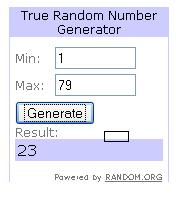 Purex Complete Crystals Winner