
-
Affiliates
How we keep our marriage strong when the kids are always around
Parenting is wonderful and relentless in equal measure. Between school runs to the local primary, weekend sport, after-school activities, and the endless pile of laundry, the days can blur into one long task list. Somewhere in the middle of all that, a marriage has to find oxygen.
The challenge is not a lack of love. It is a lack of margin. When children are tiny, they are physically attached to you. When they are older, their emotional reach extends just as far. Conversations get interrupted, beds get crawled into at midnight, and the bedroom door has not closed properly in years. Australian families often feel this acutely because the cost of formal childcare in cities like Sydney and Melbourne is steep, leaving many couples choosing one parent at home longer than they originally planned.
The good news is that a strong partnership does not require tropical weekends or expensive escapes. It requires small, deliberate habits woven into the rhythm of ordinary life. These are the routines my husband and I have built, often imperfectly, that keep us close even when the kids are literally in the room.
Carving out date nights without leaving the house
Hiring a babysitter in Australia is not cheap, especially in capital cities where the average hourly rate keeps climbing. Our workaround has been the in-home swap with another family we trust. One Saturday night they take our three, and the next we take theirs. Everyone wins, the kids think it is a giant sleepover, and we get four or five hours with the front door closed.
When a swap is not possible, we run a slower version. One parent does bath and bed, the other sets up the lounge room with snacks and a movie neither of us has seen. We dress as if we are going out because the small ritual of changing out of the school-pickup uniform shifts the mood. Sometimes the "date" is just takeaway from our favourite Thai place eaten on the couch, but the intention is what matters.
Quick ideas when energy is low:
- Cook the same meal together after the kids are asleep, no phones at the table
- Watch a series one episode at a time, taking turns to choose
- Order a special dessert from a local bakery and pretend it is a cafe date
- Sit on the back verandah with tea once the house is quiet
Daily check-ins that actually stick
Long, uninterrupted chats are a fantasy when a toddler is scaling the bookshelf. So we have built shorter touchpoints into the day. I text my husband something specific and non-logistical from the office, and he does the same. Not "we need milk" but "I was proud of how you handled school pickup today" or "remember that song we used to play in the car?".
We also do a proper debrief over dinner, and the kids are expected to sit with us even when they would rather leave. Asking "what was the best bit and the worst bit of your day" opens the door for them, and it gives us a way to model how adults process feelings too. Some nights the conversation is messy and someone spills juice. That is fine.
Try one of these prompts at your next meal:
- What is one thing you appreciated about me this week?
- Is there anything we keep arguing about that we should tackle together?
- What is something you would love to do in the next month, just the two of us?
- Where do you feel stretched thin right now, and how can I help?
Dividing the mental load, not just the tasks
A lot of the friction in our marriage came from invisible work. The permission slips, the birthday party RSVPs, the remembering that the dog needs his annual vaccination, the planning of what is for dinner on Thursday. Australian school communications alone could swallow a calendar.
We sat down with a notebook and split categories rather than individual tasks. He owns school correspondence and sport admin. I own medical appointments and the groceries. Anything in someone else's lane does not get chased by the other person. It is not fifty-fifty every week, but the system is clear and resentment has dropped.
This matters under Australian family law too. When responsibilities are visible and shared, both partners can demonstrate equal contribution if circumstances ever shift, and both feel genuinely valued in the daily running of the household.
Physical affection beyond the bedroom
Holding hands in the supermarket aisle, a quick kiss when one of us gets home from work, leaning into each other on the couch during a show. These micro-moments tell our nervous systems that we are still chosen. When the kids are always present, public displays of affection can feel awkward, but children actually love seeing their parents being warm with each other.
We have made a point of small touches through the day. A hand on the lower back while passing in the kitchen. A squeeze of the shoulder during the bedtime routine. Sitting close on the couch rather than at opposite ends. None of this is dramatic, and that is the point. It builds a quiet bank of connection that carries us through busier seasons.
Working as a team in front of the kids
Our children watch everything. They see how we speak to each other when we are tired, how we resolve a disagreement about the budget, and how we celebrate each other's wins. Our marriage sets the template for what they will one day expect from their own partnerships.
When tensions flare, we try to repair quickly in their presence. A simple "sorry, I snapped" teaches humility. Letting them see us solve problems together, rather than pretending we never argue, shows them that love is a verb. We also make a point of saying kind things about each other in earshot of the kids. Dad is great at cooking. Mum always makes the playground trip fun. These small sentences build the family culture we want.
The work of parenting together gets sharper when sibling dynamics enter the picture, and we have written about how we handle sibling rivalry without losing our cool for parents who want more on that side of family life.
Protecting the couple bubble in a busy life
Between school holidays that feel endless, weekend cricket matches, and the general pace of raising kids in a fast-growing city like Brisbane, it is easy for a marriage to become a logistics operation. We guard certain boundaries to keep our partnership front and centre.
No phones in the bedroom after nine. One weekend morning a month where one of us sleeps in and the other takes the kids out for brekkie. A standing coffee date at our local cafe every Sunday after the farmers' market run. We also keep up with other couples, because friendships outside the marriage remind us that adults still need adult conversation.
Marriage is not something you maintain once and walk away from. It is something you tend, gently and often, especially when little ears and small hands are everywhere. Pick one habit from this list and try it this week. Tomorrow, pick another. Over time, these small acts stack into something solid, and your kids grow up watching two people who genuinely like each other make it work.


 Durex House Party “He Said/She Said” Challenge [Giveaway]
![Durex House Party: Introducing the LOVE BOX [Giveaway]](/wp-content/uploads/HLIC/2ed7178346e419ad5c79280a7d5dd0aa.png) Durex House Party: Introducing the LOVE BOX [Giveaway]
Durex House Party: Introducing the LOVE BOX [Giveaway]
![Welcome to the Durex House Party [Giveaway]](/wp-content/uploads/HLIC/b3517de65f98905a68b0497aa5152005.png) Welcome to the Durex House Party [Giveaway]
Welcome to the Durex House Party [Giveaway]
 Nursing Scrubs
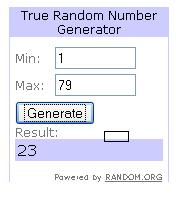 Purex Complete Crystals Winner