
-
Affiliates
How We Keep Our Kids Entertained While Waiting at Restaurants
Eating out with children can feel like a small family expedition. There are menus to read, drinks to order, hot plates to avoid and a stretch of waiting time when everyone is hungry. We have learned that a little preparation makes the experience calmer without turning dinner into a military operation.
Our approach is simple: pack a few quiet activities, give the kids some control, and choose restaurants that suit the rhythm of our family. These ideas have worked for us in busy cafés, shopping-centre food courts and relaxed family restaurants around Australia.
| Waiting-time idea | Best for | What we pack |
|---|---|---|
| Drawing and stickers | Younger children | Small notebook, pencils and sticker sheet |
| Travel games | Mixed ages | Cards, magnetic game or guessing game |
| Restaurant scavenger hunt | Curious kids | A short list of things to spot |
| Story time | A quieter table | One small book or downloaded audiobook |
| Conversation games | Older children | “Would you rather?” prompts |
Pack A Small Restaurant Kit
A dedicated restaurant pouch lives in my handbag. It contains washable coloured pencils, a tiny notepad, a few reusable stickers and a couple of paper games. Keeping everything together means we are less likely to forget the essentials when we are rushing out the door in Brisbane traffic or trying to leave the house before the dinner crowd arrives.
I avoid toys with lots of pieces, noisy electronic gadgets and anything that rolls under another table. A small magnetic game is useful because it stays contained, while a deck of cards can entertain children of different ages. I also include wipes and a spare snack for emergencies, although we try not to fill up before the meal arrives.
Turn The Table Into A Game
A restaurant offers plenty of things for children to notice. We might ask them to find three round objects, count the lights, identify the colour of the waiter’s shirt or spot something beginning with a particular letter. This works especially well in a café with an open kitchen, outdoor seating or a view of the street.
For younger kids, I make the game very easy and celebrate every answer. Older children can create their own scavenger hunt or keep score on a napkin. It gives them something purposeful to do and encourages observation without asking them to sit perfectly still for twenty minutes.
Use Food And Menus Wisely
Menus are excellent entertainment when we make them part of the decision-making process. The kids can look for familiar foods, choose between two sides or draw what they think their meal will look like. We talk about sharing dishes, portion sizes and trying one new thing without making an entire meal into a battle.
Australian restaurants often have children’s menus, but the choices can vary widely between a suburban pub, a Melbourne laneway café and a busy Sydney venue. I check menus online when possible, especially for allergies or dietary needs. Australian food businesses must provide allergen information for unpackaged food under the Food Standards Code, though I still speak directly with staff before ordering.
Keep Screens As A Backup
We do bring a phone or tablet on longer outings, particularly when we are travelling, waiting for takeaway or eating somewhere unfamiliar. The device has downloaded stories or a simple game, so we do not depend on unreliable restaurant Wi-Fi. It is a backup rather than the first activity we offer.
Screen limits are easier when children know the plan in advance. We might say that they can watch one short episode while the food is being prepared, then the device goes away when meals arrive. Headphones keep the experience considerate for nearby diners, and a fully charged battery prevents an already-hungry child from becoming even more upset.
Give Everyone A Job
Children cope better with waiting when they feel involved. One child can hold the menus, another can help choose a table, and an older child can count how many drinks are needed. At a larger family meal, we sometimes ask the kids to decide which side dishes could be shared.
This approach also helps when siblings are sitting close together. We have used ideas from our sibling rivalry tips at the table, including giving each child a little personal space and avoiding comparisons. A clear job can redirect restless energy before it turns into an argument.
Choose The Right Kind Of Outing
The restaurant itself makes a difference. A quick café lunch may be easier than a slow three-course dinner, especially on a hot summer evening when everyone is tired. We look for places with outdoor tables, room for a pram and a relaxed atmosphere. In Australia, many venues offer alfresco seating, but shade and safe distance from traffic matter more than a pretty view.
Timing is another useful tool. We try to eat slightly earlier than the local rush, particularly during school holidays when popular restaurants in the Gold Coast, Adelaide or Perth can become crowded quickly. If we are visiting a new area, I check parking, toilets and whether bookings are accepted. A little research usually saves us from standing hungry outside a packed venue.
Make Waiting Part Of Family Life
Waiting can also become a chance to talk. We share one funny thing from the day, play “would you rather?” or let each child tell us what they would spend a pretend ten dollars on. These conversations cost nothing and often reveal more about what the kids are thinking than a formal family discussion.
I also try to model patience without pretending that waiting is always easy. If the kitchen is delayed, we acknowledge it, offer a small activity and decide together whether we need to change plans. Budget-conscious families may find useful ideas in Nugget On A Budget, especially when planning affordable outings and meals.
When the children are restless, I remind myself that a successful meal does not need to be perfectly quiet. We have had crumbs, spilled water and unfinished dishes, but we have also had plenty of laughs. Our community garden experience has reinforced how much children enjoy simple, hands-on activities, so even drawing vegetables or inventing a garden menu can keep them happily occupied.
Save a few of these ideas in your phone, prepare a compact waiting-time pouch and choose the activities that suit your children’s ages. With a little planning, restaurant outings can become enjoyable family memories rather than a countdown to the food arriving.


 Durex House Party “He Said/She Said” Challenge [Giveaway]
![Durex House Party: Introducing the LOVE BOX [Giveaway]](/wp-content/uploads/HLIC/2ed7178346e419ad5c79280a7d5dd0aa.png) Durex House Party: Introducing the LOVE BOX [Giveaway]
Durex House Party: Introducing the LOVE BOX [Giveaway]
![Welcome to the Durex House Party [Giveaway]](/wp-content/uploads/HLIC/b3517de65f98905a68b0497aa5152005.png) Welcome to the Durex House Party [Giveaway]
Welcome to the Durex House Party [Giveaway]
 Nursing Scrubs
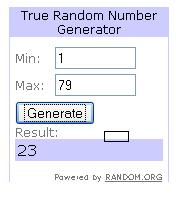 Purex Complete Crystals Winner