
-
Affiliates
Going from one to two: real mum tips for Australian families
When I was pregnant with my second, plenty of people cheerfully told me I'd "figure it out" because that's what parents do. What nobody warned me was how much the everyday texture of family life would shift once there were two small humans in the house. The nappy changes double, the laundry piles up faster, and somehow the dishwasher never feels empty in between. Going from one child to two is less about any single dramatic moment and more about a thousand small adjustments that add up over weeks and months.
This post is a candid look at how my partner and I have handled the move from a family of three to a family of four here in suburban Australia. None of it is expert advice, just lived experience, late-night coffees, and the lessons we keep relearning on the fly. If you're about to walk this road too, I hope something in here makes the road feel a little less lonely.
The mental shift before baby two arrives
For months I told myself that adding another baby wouldn't really change much. Our first was already a toddler, so we had the gear, the routine, the muscle memory. What I underestimated was the mental preparation. I spent time talking with other mums at our local Brisbane playgroup and at the playground near New Farm Park, and almost every one of them said the same thing: the hardest part is letting go of the one-on-one attention you'd been giving your firstborn.
I started small. I gave my eldest jobs to do when I was feeding or settling the baby, like fetching a nappy or picking out a book. We also talked about being a big sibling in a very low-key way, no pressure, no big speeches. Centrelink paperwork for the Family Tax Benefit came up earlier than I expected, so we sorted it out well before my due date, which took one thing off the mental load. Little by little, I stopped imagining my life as a tidy unit of three and started picturing it as something messier and bigger.
Routines that saved our sanity
By the time our second was around eight weeks old, the thing keeping me upright was a loose routine. Not a rigid schedule, because babies don't read schedules, but a predictable flow to the day. Morning was milk, a walk, then brekkie. Afternoon was the longer nap window, where I'd batch-cook or do meal prep for the next day. Evening was the bath-bed-book loop that almost every Australian parent seems to live by.
I leaned hard into our coffee machine during that first nap of the day. It sounds silly, but having a flat white at 9am while the baby slept and the toddler watched one episode of Bluey was the difference between a manageable day and a chaotic one. I also batched errands around our local Big W and the chemist so I was only ever out once with both kids, not twice. The trick was choosing a routine flexible enough to survive a sick day, a teething week, or a surprise visit from a childminder.
Splitting attention without losing your mind
The guilt sneaks in earlier than you'd think. There were afternoons when I'd be feeding the baby while my toddler begged me to watch her build a tower out of Duplo, and I'd feel like I was failing at both jobs at once. Over time we worked out a pattern: one parent on the baby, one parent on the toddler, and we swap. It's not always equal, especially during growth spurts, but it gives each kid a clear "go to" person.
We also built in short bursts of one-on-one time with our eldest. Even fifteen minutes of uninterrupted drawing, or a quick trip to the local library for storytime, reminded her that she wasn't being pushed aside. Friends in Melbourne who had their second around the same time used Child Care Subsidy hours for occasional daycare, giving their first a separate world and giving themselves breathing room. Whatever shape it takes, the principle is the same: protect small moments fiercely, because they add up.
The logistics of two car seats and two naps
The practical side of expanding the family caught me off guard. Our little hatchback had to go. We swapped it for a bigger SUV with proper ISOFIX points, and we measured the back seat twice before signing anything. We also realised that two car seats and a pram simply do not fit in a standard café booth, which meant more takeaways from our local and more picnics at the park.
Sleep was another logistics puzzle. We kept the babies in our room longer than the books suggest because the alternative was constant trips down the hallway with a toddler who insists on coming too. Daylight saving in New South Wales made that first autumn even harder, with early darkness and a baby who couldn't tell the difference. We bought a cheap white noise machine, blackout curtains from a Kmart special, and accepted that some nights just had to be survived, not solved.
Asking for help in an Aussie suburb
I am fiercely independent and embarrassingly bad at asking for help. Becoming a parent of two forced my hand. Our parents live a few suburbs away, and once a fortnight one of them takes the eldest for a couple of hours, which is enough for me to nap, shower, or just sit in the car in silence. We also joined a local mothers' group through the community health nurse, which has been a soft landing on rough days.
There are small Aussie supports worth knowing about too. Medicare covers a set number of paediatric visits per year, the Child Care Subsidy eased a chunk of our daycare bill, and the family-friendly returns policy at Kmart has saved us more than once when a teething baby destroyed a toy within a week. None of this is glamorous, but all of it matters when you're running on three hours of sleep and a Vegemite toast.
| Area of life | With one kid | With two kids |
|---|---|---|
| Daily nap window | Predictable, often two hours | Shorter, split between siblings |
| Grocery run | Quick, often done solo | Planned, sometimes done with help |
| Weekend outings | One pram, one schedule | Staggered naps, backup snacks |
| Partner check-ins | Easy to find 30 minutes | Booked in like an appointment |
| Laundry cycle | Two loads a week | Almost daily |
| Coffee consumption | Moderate | Significantly higher |
Things that helped and things we tried that didn't
A short list of what genuinely made the transition easier, alongside a few things we tried that honestly weren't worth the effort.
What genuinely helped us:
- Setting up the cot and nappy station weeks before the birth
- Meal prepping freezer dinners in the third trimester
- Lowering our housekeeping standards for the first six months
- Saying yes to any offer of help, even when it felt awkward
What we tried but wouldn't bother with again:
- A fancy sleeper that promised longer naps and didn't deliver
- A strict every-three-hours feeding log that stressed everyone out
- Matching sibling outfits that survived one photo and one wash
If you're in the thick of this season, please remember that the messy version is the real one. Some days everyone will be fed, dressed, and relatively happy. Other days the baby will scream through the toddler's swimming lesson and you'll eat cold pasta in the car. Both count. Both are parenting. Pop over to my giveaway corral when you need a small win to brighten a tough week, or grab a coffee and just breathe. Whatever you do, don't compare your day five to someone else's highlight reel, and give yourself the same grace you'd offer a mate going through the exact same thing.


 Durex House Party “He Said/She Said” Challenge [Giveaway]
![Durex House Party: Introducing the LOVE BOX [Giveaway]](/wp-content/uploads/HLIC/2ed7178346e419ad5c79280a7d5dd0aa.png) Durex House Party: Introducing the LOVE BOX [Giveaway]
Durex House Party: Introducing the LOVE BOX [Giveaway]
![Welcome to the Durex House Party [Giveaway]](/wp-content/uploads/HLIC/b3517de65f98905a68b0497aa5152005.png) Welcome to the Durex House Party [Giveaway]
Welcome to the Durex House Party [Giveaway]
 Nursing Scrubs
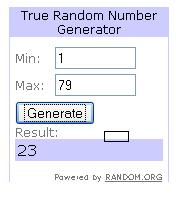 Purex Complete Crystals Winner