
-
Affiliates
How We Handle the Transition from One Child to Two
Bringing home a second baby changed our family in ways I expected, and in plenty of ways I did not. We had already learned how to feed, settle, bath and comfort one child, so I assumed the next stage would feel familiar. The reality was a new rhythm, with two little people needing different things at the same time.
Our older child had been the centre of our world for years. Suddenly, there was a baby in the bassinet, a pram in the hallway and a tired mum trying to divide her attention fairly. I felt grateful and stretched thin in equal measure, often within the same hour.
We learned quickly that “fair” did not always mean equal. The baby needed frequent physical care, while our older child needed reassurance, conversation and small reminders that their place in the family had not disappeared. Giving each child what they needed became more useful than trying to split every minute perfectly.
There were ordinary Australian pressures in the background too: childcare arrangements, grocery costs, grandparents who could not always pop over, and the challenge of managing school or kindy drop-off with a newborn. Our approach developed gradually, through practical routines and plenty of forgiving ourselves.
Preparing Our Older Child
Before the baby arrived, we talked about the new sibling in simple, honest language. We looked at baby clothes, read stories and explained that newborns cry, sleep often and need help with almost everything. We avoided promising that the baby would be a constant playmate because that would have set an unrealistic expectation.
We also made a point of discussing what would stay the same. Bedtime stories, weekend cuddles and one-on-one outings remained important. Even a quick trip for a babycino or a walk to the local park helped our older child feel secure when so much else was changing.
Making Space For Big Feelings
Jealousy, sulking and clinginess were treated as communication rather than bad behaviour. Our older child sometimes wanted to be carried, used a younger voice or suddenly needed help with tasks they had managed independently. We responded with patience where we could and boundaries where we needed them.
Naming the feeling helped: “It feels hard when the baby takes up my lap,” or “You wanted me to come straight away.” We did not expect instant adoration. A sibling relationship has room for affection, annoyance and indifference, especially during those early months.
Building Small One-On-One Rituals
A full day alone with one child was not always possible, so we created small rituals instead. A morning cuddle before the baby woke, helping with the bath, or sharing toast at the kitchen bench gave our older child predictable time with me.
My partner and I swapped responsibilities when possible. One person settled the baby while the other played Lego, read a book or handled a school pick-up. In Australia, where family support can be spread across different suburbs or even states, these little pockets of attention can matter as much as occasional grandparent visits.
Letting The Routine Bend
We kept a loose routine rather than chasing a perfect timetable. Meals happened around naps, naps happened around errands, and some days everyone ate dinner in shifts. A flexible plan reduced the pressure when the baby refused to sleep or the older child needed extra support.
Practical preparation helped. We kept snacks, water bottles and spare clothes ready for outings, especially when heading to childcare or a playground. A supermarket trip to Coles or Woolworths became easier when I accepted that it might be short, noisy and nothing like the peaceful shop I had imagined.
Protecting Our Relationship
Having two children made it easy for my partner and me to become a logistics team. We talked constantly about feeds, nappies, appointments and who had slept least, but we also needed to remember that we were partners. A cup of tea together after bedtime sometimes did more for us than an ambitious date night.
We kept affection visible in ordinary ways. A hug in the kitchen, a quick check-in during the afternoon or sharing a laugh over the chaos helped us feel connected. We also accepted that intimacy and uninterrupted conversations would look different for a while, rather than treating that season as a sign something was wrong.
Finding Joy In The New Family Shape
Some moments felt beautifully ordinary: our older child singing to the baby, bringing over a soft toy or standing beside the change table with great seriousness. Those moments made the tiring days feel worthwhile, although they did not erase the hard parts.
We also kept space for our existing family traditions. Seasonal celebrations, silly photos and small treats helped our older child see that the baby was joining our life, rather than replacing the life we already enjoyed. I still like looking back at our family-themed posts, including this reminder that Valentine’s Day was coming, because those memories show how our family changed over time.
| Area of family life | What helped us | What we stopped expecting |
|---|---|---|
| Attention | Short, regular one-on-one moments | Equal minutes every day |
| Daily routine | A flexible order of meals, naps and outings | A perfect schedule |
| Sibling connection | Low-pressure play and shared books | Instant best-friend behaviour |
| Couple time | Brief check-ins and shared tasks | Frequent uninterrupted dates |
| Support | Accepting practical help when offered | Doing everything independently |
Practical Habits We Keep
The most useful habits were simple enough to repeat, even when we were exhausted. We made routines visible, shared the mental load and tried to notice when one child needed emotional attention rather than another activity or reward.
These are the ideas I would keep if we had to begin again:
- Give the older child predictable individual time, even if it lasts only ten minutes.
- Keep explanations about the baby honest, brief and suited to the child’s age.
- Accept help with meals, school runs, cleaning or errands instead of waiting for a crisis.
- Protect a few family traditions so the older child still recognises their world.
- Allow the family routine to change from day to day without treating flexibility as failure.
The transition from one child to two was not a single event that ended when we left hospital. It continued through new sleep patterns, changing personalities and different stages of independence. We handled it by paying attention, adjusting often and remembering that connection mattered more than getting every detail right.
For families preparing for their own next chapter, take the pressure off perfection and choose one small ritual that makes each person feel seen. Those ordinary moments can become the strongest foundations for a happy family life.


 Durex House Party “He Said/She Said” Challenge [Giveaway]
![Durex House Party: Introducing the LOVE BOX [Giveaway]](/wp-content/uploads/HLIC/2ed7178346e419ad5c79280a7d5dd0aa.png) Durex House Party: Introducing the LOVE BOX [Giveaway]
Durex House Party: Introducing the LOVE BOX [Giveaway]
![Welcome to the Durex House Party [Giveaway]](/wp-content/uploads/HLIC/b3517de65f98905a68b0497aa5152005.png) Welcome to the Durex House Party [Giveaway]
Welcome to the Durex House Party [Giveaway]
 Nursing Scrubs
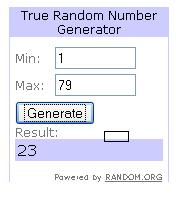 Purex Complete Crystals Winner