
-
Affiliates
How we handle the tooth fairy forgetting to visit on schedule
Loose teeth usually bring a small but reliable bedtime ritual in our house: the tooth goes into a pouch, the fairy leaves a note, and a surprise appears in the morning. Last year, a tooth remained under the pillow because the fairy did not make her scheduled visit. That mishap taught us how to handle a missed tradition without embarrassment, blame or an expensive rescue.
We did not pretend it had never happened. I apologised, then we turned the mix-up into a small story about a very busy fairy. The important part was keeping the child involved rather than offering an explanation they had not asked for. Here is the comparison we now use when the schedule slips.
| Choice | Planned visit | Forgotten visit |
|---|---|---|
| Timing | Before bed | Make-up visit the next morning |
| Message | A short note | An apology note with a simple reason |
| Money | $2–$5 in Australian dollars | The same amount, even if the child waited |
| Child’s role | The adult handles the ritual | The child helps choose the repair |
When the expected visit did not happen
Our usual routine happens straight after story time. The tooth is placed in a little pouch, the bedroom light is switched off, and the fairy arrives while everyone is asleep. On the morning everything went wrong, my partner had assumed I would finish the job while I had assumed my partner had taken care of it.
Neither of us had, and the tooth stayed under the pillow. My youngest was disappointed but more interested in solving the mystery than blaming either of us. We explained that the fairy had been delayed and would need to make a special return trip.
Turning the miss into a family story
At breakfast, I said, “I’m sorry—I forgot to complete the fairy routine.” Owning my part mattered. If the adults pretended there had been no mistake, the lesson would have been that responsibility disappears whenever nobody is watching.
We then wrote a short apology note from the fairy, explaining that a very busy night had delayed the visit. My youngest chose between an immediate make-up visit and waiting until the following evening. The second option gave us another night of anticipation and restored some of the excitement.
Building a simple tooth fairy emergency kit
Our current kit lives in a drawer beside the birthday wrapping supplies. It contains blank envelopes, glitter pens, stickers, small cards and a spare Australian $5 note. Nothing is elaborate, but having everything ready prevents a tired parent from forgetting the most important details.
For the pretend tea party, I borrowed the simple presentation from Fatin Bella and used a toy teacup already sitting in the kitchen cupboard. A note tucked beside it felt more special than an envelope alone. I also keep the spare pouch with the kit so the tooth is never left somewhere confusing.
Keeping the cost of the tradition under control
We budget about $2 per tooth, although the occasional $5 note is useful when a child has waited patiently. Plain envelopes and cards from Kmart or Big W cost very little, and we check the stationery aisles at Coles and Woolworths when we already have a shopping list. The fairy does not need a costume or imported prop to make the moment feel magical.
A homemade note with a drawing often matters more than the cash. During wet school-holiday days, I sometimes check this family giveaway round-up for a ready-made activity before inventing another at home. The small effort of making the note is enough; we do not need to spend more to prove the tradition matters.
Planning catch-up visits around real life
Our delay happened during a weekend when work ran late and we were preparing for a trip to Melbourne. Families here juggle school runs, after-school care, sport, overtime and public holidays, so a perfectly timed fairy visit can easily become one more task on an overcrowded list.
We now keep a backup fairy envelope ready to take on holidays. If the routine is disrupted, the tooth goes into a clean labelled pouch and comes home with us. A missed date can become a delayed appointment rather than a forgotten moment.
What the missed visit taught us about parenting
The mishap showed my youngest that adults can make mistakes and repair them. It also gave my partner and me a chance to discuss how we divide responsibilities instead of quietly expecting the other person to notice. That conversation was more valuable than any elaborate explanation about fairy logistics.
A cleanly removed baby tooth is not usually a dental emergency. The Australian Dental Association advises that children should have a first dental visit by their first birthday or within six months of their first tooth appearing, whichever comes first. Eligible families can also access covered services through Services Australia’s Child Dental Benefits Schedule.
Children’s privacy deserves thought too. The Privacy Act 1988 and Australian Privacy Principles provide a useful Australian benchmark when an app, school form or organiser handles personal details. We avoid publishing school names, birth dates or identifiable tooth photos, even when everyone at home believes the images are harmless.
Keep the tradition moving forward
Next time a tooth is waiting, take a few minutes before bed to prepare the pouch, note and money together. Keep one spare envelope nearby, and decide in advance who is responsible for the final step. If the visit is missed, apologise plainly and let the child help organise the make-up visit.
The goal is not a flawless schedule. It is a child who feels trusted, a parent who can own a mistake and a tradition strong enough to survive an ordinary busy day. Put the kit together tonight, and keep the next fairy appointment in your family calendar.


 Durex House Party “He Said/She Said” Challenge [Giveaway]
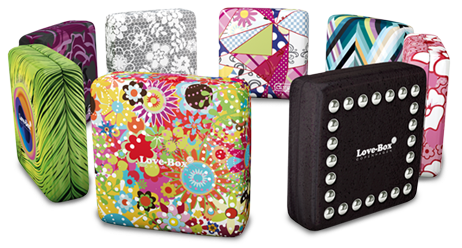 Durex House Party: Introducing the LOVE BOX [Giveaway]
 Welcome to the Durex House Party [Giveaway]
 Nursing Scrubs
 Purex Complete Crystals Winner