
-
Affiliates
How We Handle the I’m Bored Phrase Without Electronics
“I’m bored” is one of the phrases I hear most often in our home. It usually arrives after the school run, when everyone has eaten, and nobody wants another job, sport or tidy-up. I used to treat it like a request for immediate entertainment. Now I treat it as a signal to slow down and offer a manageable choice.
A screen is easy because it removes effort, but handing one over every time leaves children unsure what to do with free time. We still use devices for school, video calls, travel and the occasional long car trip. Between those useful moments, our default is paper, movement, imagination or a small task.
The shift happened after I stopped correcting the phrase. Saying “you are not bored” made the disagreement bigger. A better response was, “I hear you. Bored can mean stuck, lonely or wanting a change.” Naming the feeling gives the child something to work with.
We now keep a few options ready so the answer does not depend on a tablet. Our children can choose, combine and repeat them while we continue cooking, working or resting. Boredom still comes and goes. The difference is that it no longer has to end with a glowing screen.
Why boredom needs room to grow
The phrase often appears in the gap between obligations. After the Australian school day, there is homework, afternoon tea, chores and sport to fit around. That full timetable can make an unstructured hour feel like a personal failure, especially for a child who has just finished being told what to do all day.
Children need practice staying with a quiet moment. Without that practice, every change in activity may feel like being asked to solve a difficult problem alone. Australia’s Online Safety Act 2021 regulates certain online services, and eSafety offers family safety guidance, but neither sets a universal screen-time limit for households.
Respond with connection before redirection
Our first response is connection, not redirection. I might say, “That sounds uncomfortable. Would you like something to do with your hands, something to read, or a helper job?” Two or three options work better than a dozen. The child can decide, and the decision keeps them involved in solving the problem.
On an early-shift day, changing into comfortable nursing scrubs is my cue to set out one basket and accept that I cannot supply entertainment on demand. I may sit nearby with my own quiet task, answer a question and then step back. If the chosen activity fails, we reset together rather than rushing to a screen.
Keep a screen-free activity menu ready
We keep a small activity basket in the lounge room and rotate its contents each week. It does not need to be a grand playroom; it is simply a visible starting point. These are the recommendations that work most often for our household:
- Keep five familiar choices ready, including drawing paper, playdough, stickers and a puzzle.
- Offer a choice between two activities rather than directing the child toward one.
- Use a ten-minute reset for short attention spans, then let the child continue if interested.
- Put the basket where children can reach it without asking an adult to fetch everything.
- Include useful jobs such as folding towels, sorting socks or watering herbs.
- Retire items that stay ignored and replace them with ideas from the children themselves.
We rotate the basket after a fortnight and wipe the table before dinner. Nothing needs to be expensive. A dollar-shop notebook, recycled cardboard or a handful of pebbles can become the beginning of an hour, while old favourites remain the safest fallback.
Adapt the reset for little children
Little children express boredom differently. Their frustration may arrive as dropping a toy, climbing on furniture or asking the same question repeatedly. For our youngest, I answer with a nearby activity and a simple boundary: “I can help you start, then you choose what happens next.”
Food preparation can provide a little shared focus. We keep freezer baby food portions for busy days, and the children can wash produce, stir cold ingredients or spoon mixture into cups. I supervise closely, check allergies and avoid raw ingredients or small pieces that are choking risks. The goal is participation, not an extra meal.
Turn everyday outings into small adventures
Our easiest outings are often errands already on the list. We walk to the local library, stop at the council playground or let a child push the trolley around Coles or Woolworths. A trip does not have to be elaborate to feel like an event.
Weather shapes the plan. Melbourne’s changeable skies call for layers, while Brisbane’s summer heat makes early-morning outings and water sensible. When rain wins, a balcony obstacle course, indoor obstacle course and shadow drawing keep the same adventure theme.
I turn directions into a game: find three signs shaped like a triangle, spot the newest car on the street or choose the fastest route to the library. The children walk, notice things and use their imagination without needing a feed to distract them.
Make the phrase a cue for confidence
Sometimes boredom is a good prompt for contribution. I offer jobs that genuinely help: matching socks, rinsing cups, feeding the dog or collecting recycling. Our list is short, and I do not turn every quiet moment into productivity. A little structure is useful; constant direction takes away the independence we are trying to build.
We also buy fewer things marketed as cures for boredom. Under the Australian Consumer Law, sellers must not make misleading claims about a product’s suitability, benefits or safety. That standard is worth remembering when a flashy toy suggests it will teach, focus or entertain any child perfectly.
Our family now treats “I’m bored” as a pause rather than a problem to solve for them. Try the three-choice reset tonight: put out two ready activities, name one helper job and offer a short movement option. Let the children choose, then give them the space to follow it.


 Durex House Party “He Said/She Said” Challenge [Giveaway]
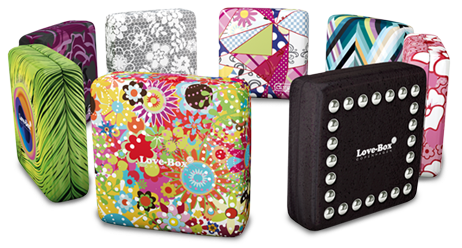 Durex House Party: Introducing the LOVE BOX [Giveaway]
 Welcome to the Durex House Party [Giveaway]
 Nursing Scrubs
 Purex Complete Crystals Winner