
-
Affiliates
How We Handle Sibling Rivalry Without Taking Sides
Sibling rivalry can turn an ordinary afternoon into a full-scale family dispute. One child feels ignored, another feels blamed, and suddenly an argument about a toy becomes a debate about who is loved most. In our home, we have learned that fairness does not always mean giving both children the same response.
Our aim is to help the kids solve problems, express big feelings and trust that each child will be heard. That approach matters during busy school mornings, after-school activities and those long weekends when everyone is tired and sharing the same space.
We Look For The Real Problem
The argument on the surface is rarely the entire story. A disagreement over a device may really be about one child feeling left out. A complaint about someone sitting too close may come after a day of managing noise, schoolwork and social pressure.
Before stepping in, we try to understand what each child needs. We listen to the facts, then pay attention to tiredness, hunger and frustration. Children who have just come home from school in Melbourne or Sydney may need a snack and quiet time before they can discuss anything sensibly.
This pause helps us avoid declaring a winner. Instead of asking, “Who started it?” we ask what happened, what each child wanted and what could make the situation safer or calmer.
Fair Does Not Always Mean Equal
Treating children fairly does not mean handing out identical consequences, portions or privileges every time. A toddler and a pre-teen have different abilities and responsibilities, so the response needs to match the situation. Equal treatment can sometimes ignore important differences.
We explain this in simple language: everyone gets what they need to be safe, respected and supported. One child may need help calming down, while the other may need to apologise or repair something they damaged. Both children can receive care without receiving the exact same response.
This also applies to spending. Australian families are feeling the pressure of groceries, school costs and weekend activities, so buying two identical items is not always practical. We focus on agreed limits and meaningful choices instead of trying to make every purchase perfectly even.
We Listen Before We Decide
When both children are talking at once, we separate them briefly and hear each side individually. This removes the audience effect, where children exaggerate their stories because a sibling is watching. We keep our voices steady and avoid turning the discussion into an interrogation.
We reflect what we have heard without automatically agreeing with every claim. “You were upset because your sister took the game” acknowledges a feeling, while “That does not mean you can grab it back” maintains a boundary. The distinction helps children feel understood without making one child the victim and the other the villain.
If there is a genuine safety issue, we act immediately. Hitting, throwing objects or blocking a doorway stops first; the longer conversation comes later. The Family Law Act 1975 places children’s best interests at the centre of parenting decisions, and in everyday family life that begins with protecting their wellbeing.
We Use Clear Family Rules
Our household rules are short enough for children to remember: hands are for helping, people can say stop, and problems are solved without hurting or humiliating anyone. We repeat these rules when everyone is calm, rather than inventing new standards during a heated moment.
Consequences relate to the behaviour. A child who throws a toy may lose access to that toy for a while and help put it away. A child who interrupts a sibling’s activity may need to wait, ask permission or choose something else. This is more useful than a broad punishment that affects everyone.
Predictability reduces arguments about favouritism. The children may still complain, but they know the same household expectations apply whether we are at home, visiting relatives or juggling weekend sport and errands.
We Create Individual Time
Children often compete for attention because they are unsure when they will receive it again. Short, regular one-on-one moments can reduce that pressure. A walk to the local shops, reading before bed or helping prepare dinner can give one child our full attention without requiring an expensive outing.
We also protect personal space and possessions. Shared items have rules, while special belongings can be kept private. That distinction matters in homes where bedrooms, devices and play areas are limited, particularly when children are spending rainy afternoons indoors.
Celebrations can create rivalry too, especially when one child’s birthday takes over the household. Planning a simple event with clear roles and realistic expectations can help. These ideas for a no-fuss birthday party are useful when the focus is on connection rather than competing decorations or expensive entertainment.
We Teach Repair After Conflict
An apology is more meaningful when children understand what they are apologising for. We encourage them to name the action, recognise its effect and consider what they can do next. “I’m sorry I broke your tower; I can help rebuild it” is more constructive than a forced “sorry” delivered through clenched teeth.
Repair might involve returning an object, making space, replacing something from pocket money or giving a sibling time to calm down. We do not force immediate hugs. Affection should feel safe, and reconciliation can happen through practical actions as well as words.
Adults need to model this process too. If we raise our voices or make an unfair assumption, we acknowledge it. Children learn that authority does not mean never being wrong, and this makes it easier for them to take responsibility themselves.
We Review What Keeps Going Wrong
Some conflicts repeat because the arrangement is the problem. If two children fight over the same tablet every afternoon, we create a roster. If mornings become chaotic, clothes and school bags are prepared the night before. When the issue is a shared snack, we divide it before serving rather than asking children to negotiate while hungry.
A simple routine works well for our family: name the problem, hear both perspectives, set the boundary, choose a solution and check in later. The solution may change as the children grow. What works for kindy-aged children will not suit teenagers with homework, public transport and changing social lives.
We also notice the good moments. When siblings share, wait patiently or defend one another, we mention the behaviour without comparing them. Specific encouragement—“You gave her a turn when you were still using it”—shows what cooperation looks like and avoids creating a new competition for praise.
| Situation | Our response | What we avoid |
|---|---|---|
| Both children want the same item | Use a timer, roster or shared activity | Declaring one child the favourite |
| One child hurts another | Stop the behaviour and check safety first | Treating the conflict as equal when it is not |
| A child feels overlooked | Offer calm one-on-one time | Buying identical rewards every time |
| A repeated argument continues | Change the routine or environment | Giving the same lecture repeatedly |
| A child makes a mistake | Expect repair and responsibility | Labelling them as “the difficult one” |
Sibling conflict will always be part of family life, but it does not have to define the atmosphere at home. By listening carefully, setting consistent boundaries and responding to individual needs, we can support both children without taking sides. The goal is not perfect harmony; it is helping siblings build the skills to disagree, recover and keep caring about each other.


 Durex House Party “He Said/She Said” Challenge [Giveaway]
![Durex House Party: Introducing the LOVE BOX [Giveaway]](/wp-content/uploads/HLIC/2ed7178346e419ad5c79280a7d5dd0aa.png) Durex House Party: Introducing the LOVE BOX [Giveaway]
Durex House Party: Introducing the LOVE BOX [Giveaway]
![Welcome to the Durex House Party [Giveaway]](/wp-content/uploads/HLIC/b3517de65f98905a68b0497aa5152005.png) Welcome to the Durex House Party [Giveaway]
Welcome to the Durex House Party [Giveaway]
 Nursing Scrubs
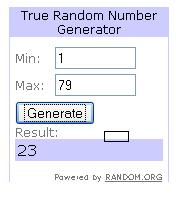 Purex Complete Crystals Winner