
-
Affiliates
How We Handle A Child Who Refuses To Wear A Coat In Winter
Winter mornings can turn a simple school run into a full negotiation. One child is ready to leave, another is standing at the front door in a T-shirt, and I am trying to remember where the lunchboxes went. In our family, refusing a coat has never been about being deliberately difficult every single time. Sometimes the jacket feels uncomfortable, too warm, unfamiliar, or like one more demand in an already busy morning.
The weather also changes so quickly in Australia that dressing children can feel like guesswork. A chilly Melbourne morning may warm up by lunchtime, while Sydney can have a mild winter day followed by a cold, wet afternoon. We have learned to focus less on winning an argument and more on helping our child understand what their body needs.
Our approach has changed as the children have grown. We still have boundaries around safety, but we offer choices, keep spare layers nearby, and avoid turning the coat into a symbol of obedience. A calm routine usually works better than repeating, “Put your coat on,” until everyone is upset.
There is also a little trial and error involved. Children often know exactly which jumper scratches their neck or which hood blocks their view, but they may not have the words to explain it. Paying attention to those details has made winter dressing much easier for all of us.
Understand What Is Behind The Refusal
Before insisting on a winter jacket, I try to work out why the child does not want it. Some children dislike zips, bulky sleeves, tight cuffs, loud fabric, or the sensation of a hood around their face. Others become hot quickly once they start walking, running, or playing at the school gates.
We also check whether the coat is the right size. A jacket that was perfect last winter may now pull across the shoulders or leave wrists exposed. If the reason is comfort, solving the clothing problem is more productive than treating the refusal as misbehaviour.
Let Children Choose Within Limits
Giving a child complete control over whether they wear warm clothing rarely works when the temperature is low. Giving them two acceptable options can work surprisingly well. I might offer the puffer jacket or the fleece-lined raincoat, then let them choose the colour, beanie, or scarf.
The boundary stays clear: we need enough warm clothing for the conditions, but the child can have a say in how that looks. This small amount of control often reduces resistance. It also helps children practise making practical decisions instead of feeling that every part of getting dressed is controlled by an adult.
Use Layers For Changeable Weather
Layers are especially helpful in Australia, where winter does not always mean freezing temperatures. A long-sleeved shirt under a jumper may be enough for a milder Brisbane morning, while a waterproof outer layer becomes useful when rain starts. In colder parts of the country, thermal leggings and warm socks can make a bigger difference than one oversized coat.
For active children, a lightweight fleece or vest may be more comfortable than a thick puffer. We keep an extra jumper in the school bag or car so the child can add warmth later. It is a practical compromise for families moving between a cold playground, a heated classroom, and a sunny walk home.
Make The Coat Easy To Wear
A child is more likely to wear a coat that they can manage independently. We look for soft linings, easy zips, roomy sleeves, and pockets that do not make the jacket feel heavy. Reflective details are useful for darker winter afternoons, particularly when we are walking near busy roads after school.
We also keep winter items in one predictable place rather than hunting through wardrobes each morning. Hooks near the door make jackets visible, while a small basket holds beanies and gloves. When children can reach their own things, getting ready becomes less of a last-minute instruction from Mum.
Build A Gentle Leaving Routine
Our morning routine includes a quick weather check, dressing, breakfast, shoes, and bags. The coat is mentioned early rather than as we are rushing out the door. A simple statement such as, “It is cold and wet today, so choose your warm layer,” feels less confrontational than issuing repeated commands.
Seasonal traditions can help children connect clothing with the time of year. Even small rituals, such as choosing a favourite winter breakfast or planning a cosy family movie night, make the season feel positive. I have always enjoyed collecting little family traditions, much like the ideas in this Valentine’s Day post, because children respond well when routines carry warmth and meaning.
Keep Safety Calm And Practical
There are times when a coat is a firm requirement, particularly during a cold school excursion, a long walk, or outdoor sport. I explain the reason briefly and avoid exaggerating the danger. “Your body needs another layer for this walk” is easier to understand than a dramatic warning about getting sick.
The aim is to teach awareness rather than fear. We talk about noticing cold fingers, shivering, wet clothes, and feeling tired. Children should know that warmth matters, while also learning that a coat does not magically prevent every winter illness.
A few useful items stay ready for rushed mornings:
- A lightweight jacket that fits comfortably
- A spare jumper in the school bag
- Warm socks and waterproof shoes
- A beanie kept near the front door
Shop For Comfort And Value
Children grow quickly, so spending a fortune on every seasonal item is not realistic for many families. We check local specials, op shops, school uniform exchanges, and pre-loved clothing groups before buying a new coat. Kmart, Big W, and Australian department stores often have affordable basics, while sports retailers can be useful for durable activewear.
Budgeting also means choosing pieces that can handle regular washing and be passed down. I like looking for practical family money ideas, including resources such as budget-friendly finds, before replacing something that may only fit for a few months.
The best purchase is usually the coat the child will actually wear. A slightly less fashionable jacket with a soft lining may be far more useful than an expensive one that stays on the bedroom floor. We involve the child when possible, check the fit, and keep the receipt until we know the item works.
Adjust The Plan As Children Grow
A strategy that works for a preschooler may not suit a primary school child. Younger children need visual reminders and help with zips, while older children can understand wind chill, wet weather, and the consequences of forgetting their warm layer. Responsibility can increase gradually without expecting perfection.
We still have mornings when a coat is left in the car or a jumper disappears at the oval. Instead of treating those moments as proof that the routine has failed, we reset and try again. Consistency, patience, and a few comfortable layers have made the winter coat battle much smaller in our home.
Keeping the message calm helps too. When children see that warmth is about caring for their bodies rather than winning an argument, they are more likely to cooperate over time. A practical routine, a little choice, and clothing suited to the local weather can carry a family through the coldest school mornings.


 Durex House Party “He Said/She Said” Challenge [Giveaway]
![Durex House Party: Introducing the LOVE BOX [Giveaway]](/wp-content/uploads/HLIC/2ed7178346e419ad5c79280a7d5dd0aa.png) Durex House Party: Introducing the LOVE BOX [Giveaway]
Durex House Party: Introducing the LOVE BOX [Giveaway]
![Welcome to the Durex House Party [Giveaway]](/wp-content/uploads/HLIC/b3517de65f98905a68b0497aa5152005.png) Welcome to the Durex House Party [Giveaway]
Welcome to the Durex House Party [Giveaway]
 Nursing Scrubs
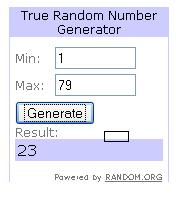 Purex Complete Crystals Winner