
-
Affiliates
How We Create a Calm-Down Corner in a Small Living Room
Our living room is the busiest space in the house. It is where the children play, we fold washing, visitors sit, and someone is usually looking for a missing water bottle. Creating a calm-down corner in a small living room seemed unrealistic at first, but we found that it did not need to take up much room or look like a classroom.
The space is not a punishment spot or somewhere to send a child when feelings become inconvenient. It is a quiet, familiar place for taking a break, naming emotions and settling a busy body. We use it when the noise, frustration or tears have become too much for everyone.
In our home, the corner supports children and adults. A child may need help after a sibling argument, while I might need a few slow breaths after a long day of work, school pick-up and dinner preparation. The goal is connection first, followed by the tools that make calming down easier.
Australian homes often have limited living space, particularly in apartments and older suburban houses in Sydney, Melbourne or Brisbane. We also deal with hot afternoons, school uniforms, muddy shoes after a rainy walk and the general rush of family life. Our solution had to suit real family routines rather than a perfect photograph.
Choosing The Right Spot
We chose a small section beside the bookcase, away from the television but still visible from the kitchen. This gives the children privacy without making them feel hidden away. Being able to see the space from where I am cooking is useful, especially when emotions are running high.
A corner does not need to be completely silent. Our living room still has everyday sounds, so we use a soft floor cushion, a washable rug and a small basket to make the area feel separate. Keeping it near the family helps reinforce that calming down is part of normal life, not a sign that someone has been rejected.
Keeping The Setup Simple
Too many objects can make a small space feel cluttered and can become another source of overstimulation. Our basket contains a few picture books, a soft toy, noise-reducing headphones, a sensory ball and a small bottle of bubbles for slow breathing. We rotate items when interest fades.
The furniture is deliberately minimal. A cushion can be moved when the room needs to be cleared, and the basket fits beneath a side table. Families shopping locally can find affordable cushions, storage tubs and fidget items at Kmart, Big W, op shops or weekend markets without buying a complete sensory-room collection.
Making Feelings Easier To Name
We added a simple feelings chart with faces showing calm, worried, angry, sad and tired. Younger children can point to a picture when words are difficult. Older children may prefer to describe what happened, but the chart still gives them a starting point.
I avoid asking for an explanation in the middle of a meltdown. A calm voice and a short statement work better: “Your body is having a hard time. You can sit here with me.” For more ideas about staying steady during difficult public moments, I found this guide on handling toddler meltdowns useful.
Practising Before Big Emotions
Children are more likely to use a calm-down area when they have explored it during peaceful moments. We practise taking three slow breaths, squeezing the sensory ball and choosing a book when nobody is upset. Sometimes we simply sit there together for a minute after school.
We also talk about the difference between needing space and being sent away. A child can say, “I need a break,” while a parent can offer, “Would you like company or quiet?” This language has become helpful during busy weekends, birthday parties and the after-school rush when everyone is tired.
Using Breathing And Movement
Breathing exercises need to feel achievable. We pretend to smell a flower and cool a bowl of hot soup, breathing in gently and blowing out slowly. Bubbles can make the practice playful, although we supervise younger children and do not treat them as a required activity.
Some children calm down more easily through movement. We keep a little room for wall pushes, stretching, shaking out hands or carrying a cushion from one side of the room to the other. These activities are especially useful after a full day at school or childcare, when sitting still may be too much to expect.
Setting Gentle Family Boundaries
The calm-down corner is available to everyone, but it is not a place for throwing objects, hurting people or damaging furniture. We explain the boundaries when everybody is calm. If a child is unsafe, an adult stays close and helps move anything that could cause harm.
We also respect the corner when someone is using it. Siblings are asked not to tease, hover or grab the basket. That does not always work perfectly, but repeating the expectation helps. A short break is followed by reconnection, a drink of water and a conversation when the child is ready.
Adjusting It As Children Grow
Our calm-down space has changed over time. A toddler needed board books and a lap to sit on, while an older child now prefers headphones, drawing paper and a little privacy. The same corner can develop without needing a new room or expensive equipment.
Seasonal changes matter too. During hot Australian summers, we keep a cool drink nearby and avoid heavy blankets. In winter, a soft throw makes the space more inviting. We also clear out broken toys and unused items regularly, so the area remains calm rather than becoming another storage pile.
A calm-down corner is a small practical reminder that emotions are welcome, even when certain behaviours need limits. It gives children a reliable place to pause and gives parents a framework for responding with patience. Our living room still gets noisy, messy and crowded, but this little space helps us find our way back to one another.
The wider feeling of home matters as well. Small rituals, shared jokes and thoughtful moments help balance the hard parts of family life; even planning a simple celebration can bring warmth, as I wrote in this older post about Valentine’s Day at home. For more family-life stories and everyday ideas, visit Country Girl City Life.


 Durex House Party “He Said/She Said” Challenge [Giveaway]
![Durex House Party: Introducing the LOVE BOX [Giveaway]](/wp-content/uploads/HLIC/2ed7178346e419ad5c79280a7d5dd0aa.png) Durex House Party: Introducing the LOVE BOX [Giveaway]
Durex House Party: Introducing the LOVE BOX [Giveaway]
![Welcome to the Durex House Party [Giveaway]](/wp-content/uploads/HLIC/b3517de65f98905a68b0497aa5152005.png) Welcome to the Durex House Party [Giveaway]
Welcome to the Durex House Party [Giveaway]
 Nursing Scrubs
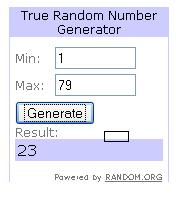 Purex Complete Crystals Winner