
-
Affiliates
How my blog became a small source of income
When I started Country Girl City Life, I was writing about family life, parenting, relationships, work, budgeting, and the everyday moments that filled our home. I wanted a place to record memories, share opinions, and connect with other parents who understood the busy, funny, sometimes exhausting rhythm of raising children.
I did not begin with a business plan or a goal of replacing a paycheck. Blogging was a creative outlet first. Over time, I realized that the time spent writing, taking photographs, answering emails, and building an audience could also create a modest stream of income.
The money did not appear overnight, and it has never been completely predictable. It grew through several small opportunities that suited my content and my readers. That combination made blogging feel manageable rather than like another full-time job.
I started with the content I already enjoyed
The most useful decision was continuing to write about subjects that naturally belonged on my blog. Family stories, product reviews, entertainment events, giveaways, memes, and seasonal posts gave readers different reasons to visit. Because the content came from my real life, I could write with more personality than I could in a generic advertising space.
Search-friendly posts also became important. A helpful article about a holiday, a parenting experience, or a product can continue attracting visitors long after it is published. For example, an older seasonal post about Valentine’s Day ideas can bring in readers when that holiday comes around again.
I learned that useful does not have to mean formal. A personal story can answer a question, offer encouragement, or help someone decide whether a product or event is worth their time. That balance between personality and practical information became central to my blogging style.
Sponsored posts became an early opportunity
Sponsored content was one of the first ways my blog earned money. A brand or public relations representative would offer a product, event invitation, or campaign and ask for a written post. Depending on the opportunity, compensation could include payment, merchandise, tickets, or a combination of those.
At first, it was tempting to accept every offer. Free items and experiences can feel exciting, especially when a blog is still growing. I eventually became more selective because a sponsored post still needs to make sense for my audience. A parenting product, family activity, household item, or entertainment experience usually fits more naturally than something unrelated to my life.
Clear disclosure also matters. Readers deserve to know when a company provided a product or paid for coverage. Being honest about that arrangement protects trust, and trust is more valuable than a single campaign. I want people to believe my opinions, including when a review is positive and when something does not work for my family.
Different income streams work together
Blog income is usually a collection of smaller sources rather than one large payment. Advertising, sponsored posts, affiliate links, freelance opportunities, and promotional campaigns can each contribute something. The amount from one source may be small, but several sources together can cover practical expenses.
| Income source | How it works | What it requires |
|---|---|---|
| Display advertising | Ads appear on blog pages and generate revenue from views or interactions | Consistent traffic and readable site design |
| Sponsored content | A brand pays for an article, review, or campaign | A relevant audience and dependable communication |
| Affiliate marketing | A commission is earned when readers purchase through a tracked link | Helpful recommendations and reader trust |
| Product reviews | Items, tickets, or services are provided for coverage | Honest opinions and clear disclosures |
| Giveaways and promotions | A campaign creates engagement and brand visibility | Organization, rules, and timely follow-up |
These opportunities are connected to traffic, audience engagement, and credibility. A post that performs well can help with future pitches, while a well-handled campaign can lead to repeat work. At the same time, income can vary from month to month, so I do not treat every opportunity as guaranteed money.
I also pay attention to the time involved. A product review may require photography, testing, writing, editing, social media promotion, and email communication. Looking at the full workload helps me decide whether an opportunity is worthwhile rather than judging it by the payment alone.
Traffic made the biggest practical difference
A blog needs readers before most monetization methods can become meaningful. I worked on improving headlines, organizing categories, updating older posts, and sharing content on social media. Search engine traffic became especially helpful because it could bring new visitors without requiring me to promote the same post every day.
Older content deserves attention too. Some of my best-performing posts are not the newest ones. Seasonal articles, family advice, event reviews, and product information can remain useful for years, although details sometimes need to be refreshed. Updating a headline, adding clearer images, or repairing a broken link can give an existing post new life.
Traffic is not just a number. It represents people choosing to spend time with my work. Comments, email replies, social shares, and repeat visits tell me which subjects feel meaningful to readers. Those responses help me create content that serves the community instead of chasing every trend.
I learned to treat blogging like real work
Once money became part of the picture, I had to become more organized. I kept track of campaign requirements, deadlines, contact information, products received, and posts that had been published. A simple calendar helped me balance sponsored work with personal stories so the site did not feel like a stream of advertisements.
Professional communication made a difference as well. Answering emails promptly, meeting deadlines, following campaign instructions, and providing accurate links helped me build a dependable reputation. Brands and agencies want creative writing, but they also need to know that a blogger will complete the agreed work.
I also became more careful about expenses. Blogging can involve hosting, domain costs, photography equipment, travel, event tickets, shipping, and software. Recording those costs gives a more realistic picture of the profit. Receiving a free product is not the same as receiving cash, especially when the assignment takes several hours to complete.
The choices that helped me earn consistently
The most useful habits were simple, repeatable, and connected to the kind of blog I wanted to maintain.
- I accepted opportunities that matched my family-focused audience and personal interests.
- I kept sponsored writing honest, clearly disclosed, and consistent with my normal voice.
- I updated older posts so useful content could continue attracting search traffic.
- I tracked deadlines, expenses, payments, and campaign details in one organized system.
- I treated readers as a community rather than as clicks or advertising impressions.
These habits also helped me protect the personal side of Country Girl City Life. My children and family remain at the heart of the blog, but I make thoughtful choices about what to share. Earning money should never require publishing every private moment or changing the site into something that no longer feels like mine.
Small earnings can still have real value
The income from blogging has been helpful because it supports everyday goals. It can contribute to household expenses, family activities, gifts, meals out, or the costs of maintaining the website. Even when the amount is modest, earning from something I built feels rewarding.
There have been slow months, missed opportunities, and campaigns that required more work than expected. Blogging income is not a guaranteed paycheck, and social media changes or search algorithm updates can affect traffic. I have had to stay flexible and remember why I started writing in the first place.
For me, the greatest benefit is the combination of creativity, connection, and practical support. A personal blog can be a record of family life and a small business at the same time. It takes patience, consistency, and honest communication, but it can grow in a way that still feels personal.
If you are building a blog of your own, begin with the stories and subjects you genuinely care about. Publish useful content, learn what your readers respond to, and treat every collaboration professionally. Over time, those small efforts can turn a personal website into a meaningful source of extra income.


 Durex House Party “He Said/She Said” Challenge [Giveaway]
 Durex House Party: Introducing the LOVE BOX [Giveaway]
 Welcome to the Durex House Party [Giveaway]
 Nursing Scrubs
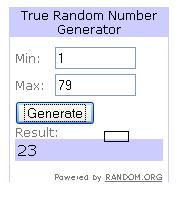 Purex Complete Crystals Winner