
-
Affiliates
How I Keep My Sanity While Managing a Household on a Budget
Running a household can feel like a full-time job layered on top of every other responsibility. There are meals to plan, bills to pay, laundry to fold, appointments to remember, and children who somehow need snacks immediately after finishing a meal. I have learned that peace at home rarely comes from doing everything perfectly. It comes from creating simple systems I can repeat, even during a hectic week.
My approach to managing a household on a budget is practical rather than glamorous. I watch where our money goes, keep our routines flexible, and try to make decisions before I am tired or rushed. That reduces the number of daily choices competing for my attention.
I also remind myself that a clean home, a balanced budget, and happy children do not require a picture-perfect lifestyle. Some days the laundry waits, dinner is basic, and everyone gets through the evening with a little patience and a lot of humor.
Routines That Reduce Daily Noise
A loose routine helps me stay organized without making our home feel rigid. I keep a short list of regular tasks, such as checking the calendar, reviewing upcoming bills, and looking at what food we already have. These small check-ins prevent minor responsibilities from turning into overwhelming surprises.
I focus on the areas that affect the whole family first. Making sure we have clean clothes, easy breakfast options, and a plan for transportation matters more than keeping every room spotless. When my priorities are clear, I can let less important chores wait without feeling as though the entire day is falling apart.
A weekly reset is especially helpful. I spend a little time gathering school papers, checking appointments, and thinking through the busiest nights ahead. It is much easier to manage a household when I can see the week before it begins.
Build A Budget That Matches Real Life
A budget only works when it reflects how our family actually lives. I track fixed expenses first, then account for groceries, fuel, school needs, household supplies, and occasional treats. Leaving room for real life keeps the plan from becoming so restrictive that I abandon it after one unexpected expense.
I also separate needs from convenient purchases. That does not mean we never buy takeout or something fun. It means I know which spending choices are flexible and which bills must be covered. When money is tight, I can adjust restaurant meals, entertainment, or nonessential shopping instead of guessing where the shortfall will come from.
Here is the basic way I think about common spending categories:
| Category | My budget habit | Why it helps |
|---|---|---|
| Groceries | Plan several meals before shopping | Reduces impulse purchases and waste |
| Household supplies | Buy replacements only when needed | Prevents overstocking |
| Entertainment | Set a monthly limit | Keeps fun from affecting bills |
| Clothing | Shop from a list and check secondhand options | Makes seasonal purchases manageable |
| Unexpected costs | Keep a small buffer when possible | Creates breathing room |
I try to review spending without turning it into a source of shame. A budget is information, not a judgment about whether I am a good parent or responsible adult. If something goes wrong, I adjust the next week rather than giving up entirely.
Make Meals Easier And Less Expensive
Meal planning saves money, but I keep it simple. Instead of assigning a complicated recipe to every night, I choose a few dependable meals and leave space for leftovers, sandwiches, breakfast foods, or a freezer option. This prevents the late-afternoon panic that often leads to expensive convenience food.
I check the pantry and freezer before making a grocery list. Using what we already own is one of the easiest ways to lower food costs, especially when several half-used ingredients can become soup, pasta, tacos, or a casserole. I also try to buy versatile ingredients that can appear in more than one meal.
The children do not need a brand-new dinner every night. Familiar foods are useful, and repeating affordable family favorites makes evenings calmer. I would rather serve a simple meal everyone will eat than spend money and energy preparing something elaborate that ends up untouched.
Share The Work At Home
Household management becomes exhausting when one person carries every detail mentally. I involve the children in age-appropriate ways, even when their help is not as fast or polished as mine. Putting away toys, matching socks, clearing dishes, and sorting laundry are small responsibilities that build useful habits.
I also try to be specific when asking for help. “Can you help with the house?” is easy to ignore because it is vague. Asking someone to unload the dishwasher, take out the trash, or handle bedtime gives the task a clear beginning and end.
Family life is a shared responsibility, not a performance I need to manage alone. There will still be moments when I do more because of schedules or circumstances, but communicating about chores keeps resentment from quietly building.
Protect Small Pockets Of Calm
Staying within a budget does not mean removing every enjoyable activity. I look for low-cost ways to make ordinary days feel special: movie nights at home, library visits, walks, board games, homemade snacks, and time outside. These activities give us something to look forward to without requiring a large purchase.
I also make room for small personal breaks. A cup of coffee while the house is quiet, a short television show, reading a few pages, or listening to music can help me reset. These moments are not selfish or wasteful. They make it easier for me to respond patiently when the household gets loud.
Special occasions can be affordable too. Planning ahead for holidays helps me avoid last-minute spending, and even a small tradition can feel meaningful. I like revisiting ideas such as Valentine’s Day planning when I want to create a thoughtful celebration without overspending.
Small Habits That Protect Our Budget
The most useful habits are the ones that make everyday decisions easier. I do not try to overhaul our entire lifestyle at once. I choose a few practices that reduce waste, limit impulse spending, and help me feel prepared.
- Check the calendar and bank balance before the week begins.
- Shop with a grocery list based on meals we will actually eat.
- Keep a running list of household items before replacing them.
- Plan inexpensive family activities before boredom leads to unplanned spending.
- Review one budget category at a time instead of trying to fix everything in one sitting.
These habits also protect my mental energy. When certain decisions are routine, I have more patience for the unexpected parts of parenting and family life.
Keep The System Gentle
There is no perfect method for balancing parenting, work, relationships, chores, and money. Our needs change, expenses appear, and some weeks are simply harder than others. A system that allows for mistakes is more useful than one that only works under ideal conditions.
I measure success by whether our family has what we need and whether I can keep moving forward without feeling constantly defeated. Sometimes that means cooking from the pantry, postponing a purchase, or accepting a messy living room. Sometimes it means spending a little on convenience because rest has value too.
Keeping my sanity while managing a household on a budget is an ongoing practice, not a finished achievement. I keep the routines simple, spend with intention, and make room for imperfect days. Those choices help our home feel more manageable—and leave more energy for the people who matter most.


 Durex House Party “He Said/She Said” Challenge [Giveaway]
 Durex House Party: Introducing the LOVE BOX [Giveaway]
 Welcome to the Durex House Party [Giveaway]
 Nursing Scrubs
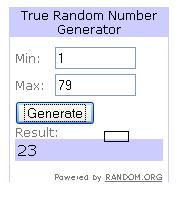 Purex Complete Crystals Winner