
-
Affiliates
How I Carve Out Time for My Own Hobbies as a Stay-at-Home Parent
Being a stay-at-home parent in Australia often means the days blur together in a rhythm of school drop-offs, washing cycles, snack negotiations, and the constant background hum of a household that never quite settles. Somewhere between packing lunchboxes and refereeing sibling arguments, the things I used to love doing for myself started slipping further down the list. Writing, reading long-form essays, dabbling with watercolour pencils, even sitting still with a flat white and a podcast — these felt like luxuries I could no longer justify.
I am not a fan of grand declarations about self-care that ignore how messy family life really is. What worked for me was a slow, practical shift in how I thought about my week, my energy, and the small windows that were already there. I wanted to share what has actually stuck, because small adjustments are the only approach that survived three winters of runny noses, school holidays at home, and the general chaos of raising small children in suburban Australia.
Why Personal Hobbies Deserve a Real Place in Parenting Life
Hobbies are not a treat I get to enjoy once the children are older or the house is clean. They are the part of my identity that survives the chaos of school holidays and the endless rounds of cold and flu that ripple through our family every winter. When I carve out even twenty minutes for something I choose, I come back to my kids calmer, more patient, and far less likely to snap over a spilt glass of juice.
It also models something quietly important. My children see me sketching in a notebook while they draw beside me, or hear me talk about a book I finished during nap time. They are learning that grown-ups keep growing too, and that motherhood does not have to swallow up every other part of who I am.
Building Micro-Moments Into the School Day Rhythm
The biggest shift came when I stopped waiting for big blocks of free time. They almost never arrive when you have primary-aged kids and a toddler in the mix. Instead, I started treating the small windows as proper appointments with myself. The twenty minutes between school drop-off in our Brisbane suburb and the next load of washing is now my reading slot. I take my coffee out to the back porch, leave my phone inside, and read a few pages of whatever non-fiction book I am currently working through.
I also use the time while dinner is in the oven. With kids old enough to play in the loungeroom, I sit at the kitchen table with my journal and write down whatever is rattling around in my head. None of these windows feel like enough on their own, but stacked across a week they add up to real creative space.
Taking Advantage of Local Programs and Free Activities
Australian councils run an underrated amount of free programming, and I leaned into this hard. Our local library in suburban Melbourne runs free craft mornings during term break, which means the kids are occupied and stimulated while I get to sit nearby with my crochet. Many of these sessions are advertised through council newsletters and school noticeboards, and they often align with state school terms, which keeps planning simple.
Beyond libraries, community centres, Men's Sheds that welcome women, and even Bunnings weekend kids' workshops give me a reason to be somewhere with the children while still doing something I enjoy. The trick is reframing these outings as hobby time rather than errands.
Swaps and Babysitting Circles With Other Parents
One of the most useful things I did was organise a small babysitting circle with three other mums from school. We each get four hours a month of guaranteed child-free time, swapped around with no money changing hands. It feels very Australian to solve childcare this way, in a way that relies on the kind of practical neighbourliness you still find in smaller towns around Adelaide and beyond.
These hours are non-negotiable for me now. I use them for a pottery class at the local TAFE on Saturday mornings, which is also heavily subsidised through state government programs. If you can find a circle that works for your family, the time it creates feels much more dependable than relying on grandparents or paid sitters.
Choosing Hobbies That Match Real Energy Levels
I used to dream about training for a half-marathon or learning fluent French. Realistically, my energy after a full day of parenting is better spent on low-fuss hobbies that fit around tired evenings. Knitting, baking, sketching, gardening, and reading have all made the cut because they can be picked up and put down without losing momentum.
For the days when I want something more absorbing, I save bigger projects like furniture upcycling for weekends when my partner is home and we can share the load. Matching the hobby to the energy available that day has saved me from abandoning half-finished projects and feeling guilty about it.
| Hobby | Weekly Time Needed | Typical Cost in Australia | Flexibility Around Kids |
|---|---|---|---|
| Reading | 2–4 hours | Low (library free, ebooks from $10) | Very high |
| Knitting or crochet | 1–3 hours | Moderate ($30 starter kit) | High, portable |
| Pottery or ceramics class | 2–3 hours | Higher ($150–$250 per term) | Moderate, fixed schedule |
| Gardening | 1–5 hours | Moderate (seeds and seedlings $20+) | High, can pause |
| Baking or cooking projects | 2–4 hours | Moderate (ingredients $15–$40) | Moderate, needs oven time |
| Watercolour sketching | 30 min–2 hours | Low ($25 starter set) | Very high |
Quick Wins and Slower Pursuits to Start With
Once I had a rhythm sorted, the next step was picking a couple of hobbies that genuinely fed me back. Some slots in the week are clearly twenty minutes long, others stretch out into a full morning if my partner has the kids, and the right hobby depends entirely on what I have to work with. I keep a rough list in my phone and tick things off as they earn their spot in the routine.
Quick wins to slot into a single afternoon:
- Sketch a self-portrait during nap time
- Bake one batch of biscuits instead of scrolling your phone
- Read ten pages before school pick-up
Slower pursuits worth protecting over weeks:
- A community pottery course at your local TAFE
- A long-form writing project tracked in a dedicated notebook
- A small garden bed built up over a season
If you have been feeling like your own interests have quietly disappeared under the school run and the washing pile, start with one small slot, defend it fiercely, and build from there. The hobbies you protect today are the ones that will still be there in ten years when the kids are a little less dependent. I keep a running diary of what is working and what is not over on countrygirlcitylife.com, and I would love for you to swing by and share what has worked for yours.


 Durex House Party “He Said/She Said” Challenge [Giveaway]
![Durex House Party: Introducing the LOVE BOX [Giveaway]](/wp-content/uploads/HLIC/2ed7178346e419ad5c79280a7d5dd0aa.png) Durex House Party: Introducing the LOVE BOX [Giveaway]
Durex House Party: Introducing the LOVE BOX [Giveaway]
![Welcome to the Durex House Party [Giveaway]](/wp-content/uploads/HLIC/b3517de65f98905a68b0497aa5152005.png) Welcome to the Durex House Party [Giveaway]
Welcome to the Durex House Party [Giveaway]
 Nursing Scrubs
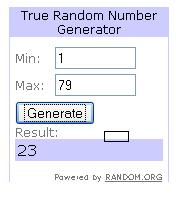 Purex Complete Crystals Winner